The secrets of good acoustics in your home
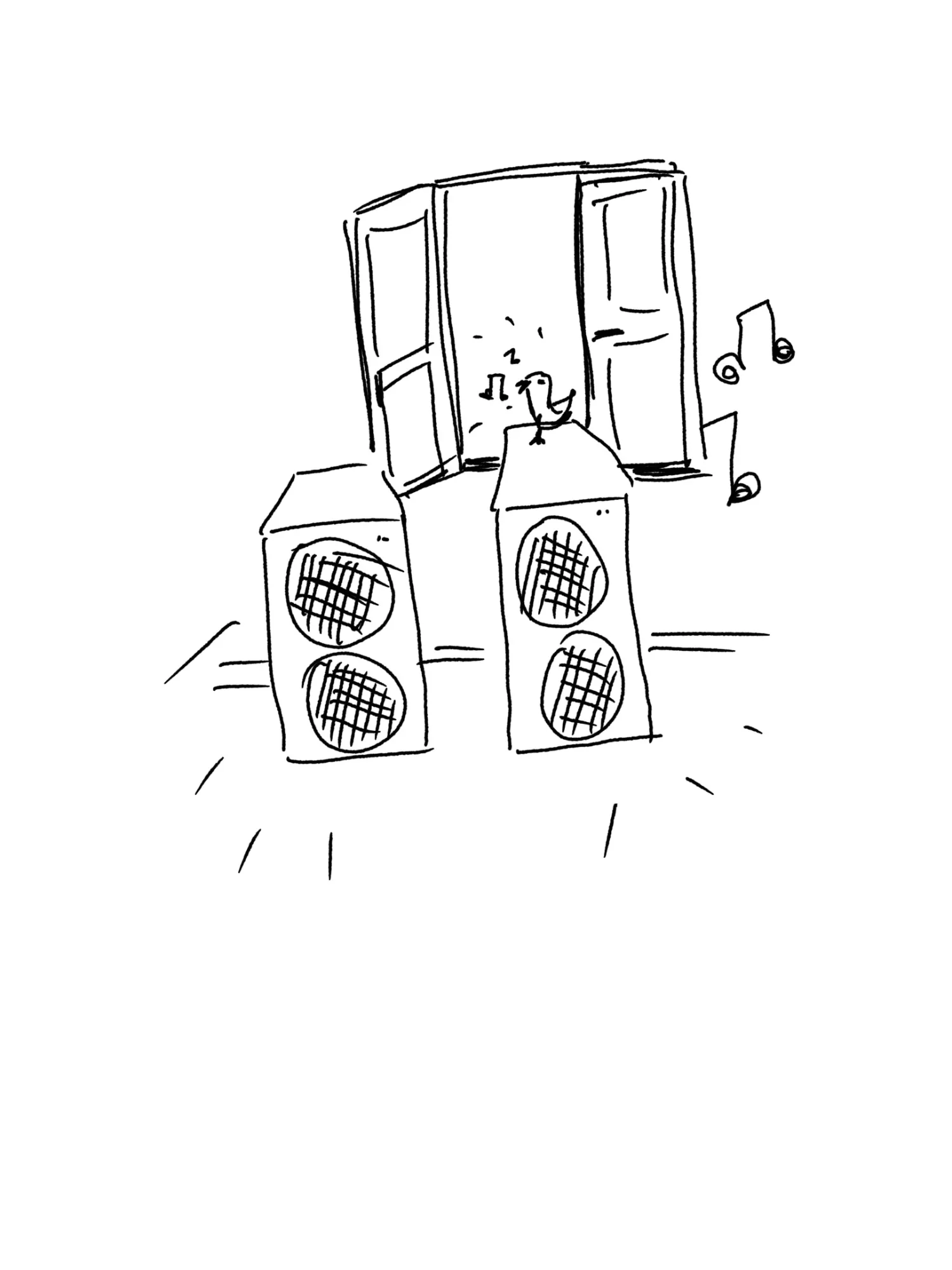
The acoustic quality of our homes plays an essential role in our everyday well-being. An acoustically well-designed interior promotes relaxation, concentration and comfort for everyone who lives there. Let's discover together the secrets to improving the acoustics of your home and creating a harmonious sound environment.
Understanding domestic acoustics
Before embarking on any alterations, it is important to understand how sound travels through a space. Hard surfaces such as concrete, tiles or glass reflect sound, creating echoes and unpleasant reverberation. Conversely, soft, porous materials absorb sound, thereby reducing noise nuisance.
Tips for improving the acoustics of your home
- Use absorbent materials: Incorporate materials such as rugs, heavy curtains, cushions and textiles to absorb unwanted sounds. A large rug in the middle of the living room or velvet curtains at the windows can make a big difference.
- Opt for acoustic wall coverings: Acoustic wall panels are not just for recording studios. They can be attractive and blend into your interior decoration. Think of perforated wood panels, cork coverings or fabric wall coverings that absorb sound effectively.
- Install shelves and bookcases: Furniture filled with books or decorative objects breaks up sound waves and reduces reverberation. A well-stocked bookcase can therefore contribute to better acoustics while adding character to your room.
- Divide spaces with acoustic partitions: If you have large open-plan spaces, consider using acoustic partitions or screens to define zones and reduce the spread of sound. These elements can be stylish and add a personal touch to your home.
- Take care of the ceiling : The ceiling is often overlooked, yet it plays a crucial role in acoustics. Adding acoustic tiles, suspended panels or even timber structures can help absorb sound and reduce echoes.
- Choose suitable furniture: Furniture with soft, upholstered surfaces, such as fabric sofas or velvet armchairs, absorbs sound better than hard surfaces. Favour furniture with organic shapes, which diffuse sound more evenly.
- Bring in houseplants: Plants are not only good for air quality; they also help absorb noise. Plants with large leaves, such as ficus or monstera, are particularly effective at improving the acoustics of a room.
Think about soundproofing
Beyond the interior layout, soundproofing the walls, floor and windows is essential to stop outside noise from disturbing your peace. Here are a few solutions:
- Install double or triple glazing to reduce noise pollution from outside.
- Use solid doors rather than hollow ones to limit the transmission of sound between rooms.
- Lay an insulating underlay beneath the floor covering, especially if you have parquet or tiles.
Call on professionals
For more technical solutions, don’t hesitate to consult an interior architect or an acoustician. They can carry out a precise assessment of your home and suggest bespoke improvements to enhance its acoustics.
Conclusion
Good acoustics contribute greatly to our well-being and quality of life at home. By adopting a few simple tips and choosing suitable materials, you can transform your interior into a calm and soothing space. Let’s not forget that every home is unique, and that it is important to find the solutions that best suit your needs and your lifestyle.